Agricultural Processing

Share:

Scope and Applications of Agricultural Science

Agricultural science is a broad multidisciplinary field of biology that encompasses the parts of exact, natural, economic and social sciences that are used in the practice and understanding of agriculture.

  • Production techniques (e.g., irrigation management, recommended nitrogen inputs)
  • Improving agricultural productivity in terms of quantity and quality (e.g., selection of drought-resistant crops and animals, development of pesticides, yield-sensing technologies, models of crop growth, in-vitro cell culture techniques)
  • Minimizing the effects of pests (weeds, insects, pathogens, nematodes) on crop or animal production systems.

Agronomy Research

Agriculture sciences seek to feed the world’s population while preventing biosafety problems that may affect human health and the environment. This requires promoting good management of natural resources and respect for the environment, and increasingly concern for the psychological wellbeing of all concerned in the food production and consumption system.

Biotechnology

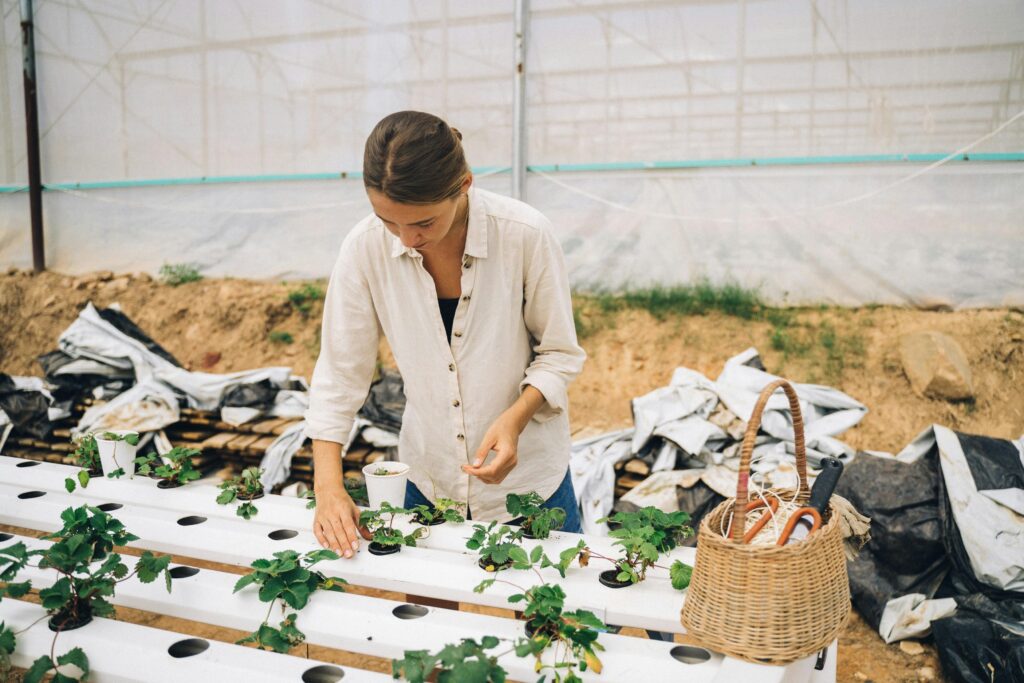
Agricultural biotechnology, also known as agritech, is an area of agricultural science involving the use of scientific tools and techniques, including genetic engineering, molecular markers, molecular diagnostics, vaccines, and tissue culture, to modify living organisms: plants, animals, and microorganisms.

Soil Science

Agricultural soil science is a branch of soil science that deals with the study of edaphic conditions as they relate to the production of food and fiber. In this context, it is also a constituent of the field of agronomy and is thus also described as soil agronomy.

Agricultural Chemistry

Agricultural soil science is a branch of soil science that deals with the study of edaphic conditions as they relate to the production of food and fiber. In this context, it is also a constituent of the field of agronomy and is thus also described as soil agronomy.

Latest News